

Capillary carboxytherapy
About the treatment
What does the treatment involve?
Capillary carboxytherapy involves controlled application of medical CO₂ to the scalp to support local oxygenation, microcirculation and nutrient delivery to the hair follicle environment. It is used in contexts of shedding, weakening hair or poorly perfused scalp, always after medical assessment.
Request assessment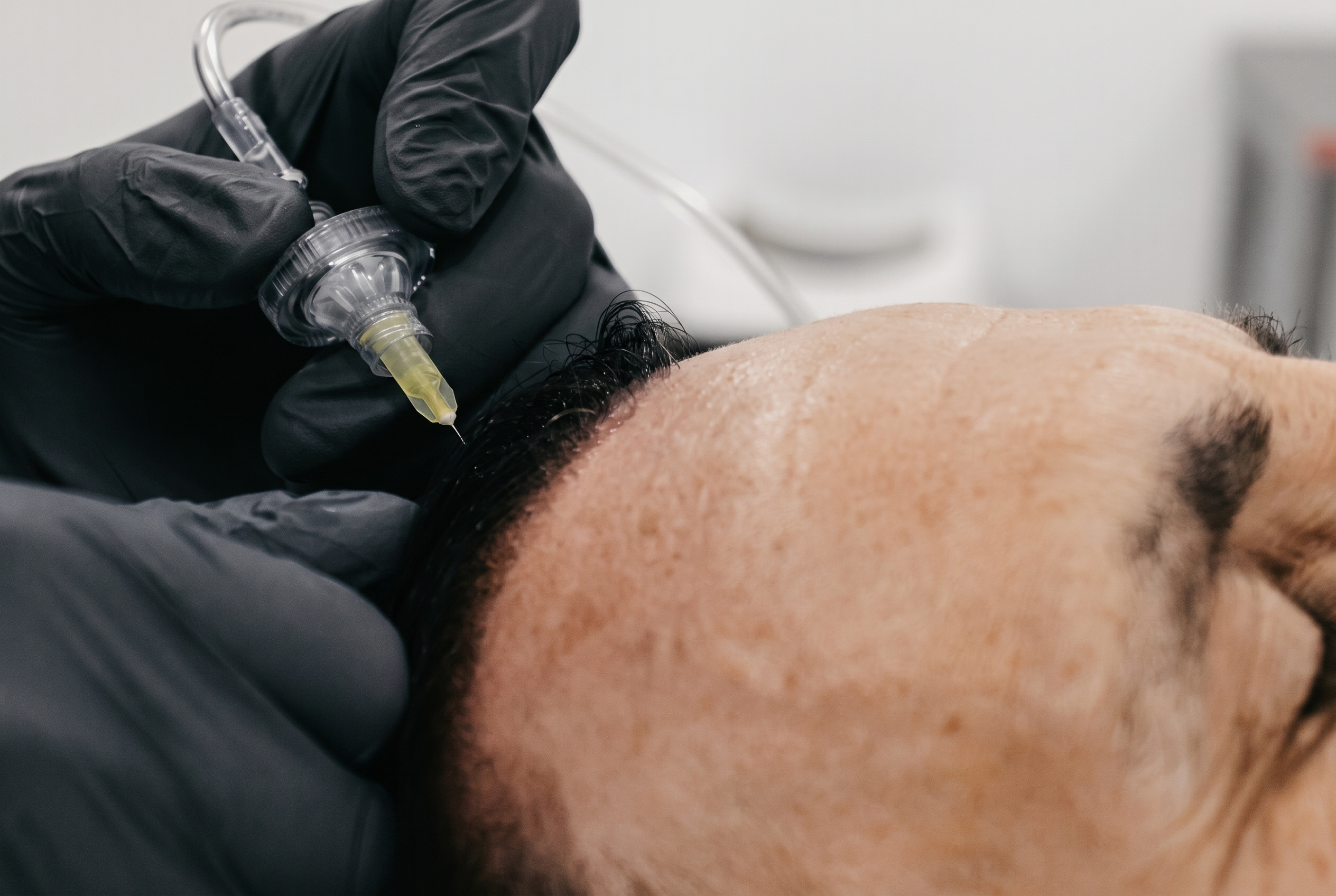
What is the treatment like?
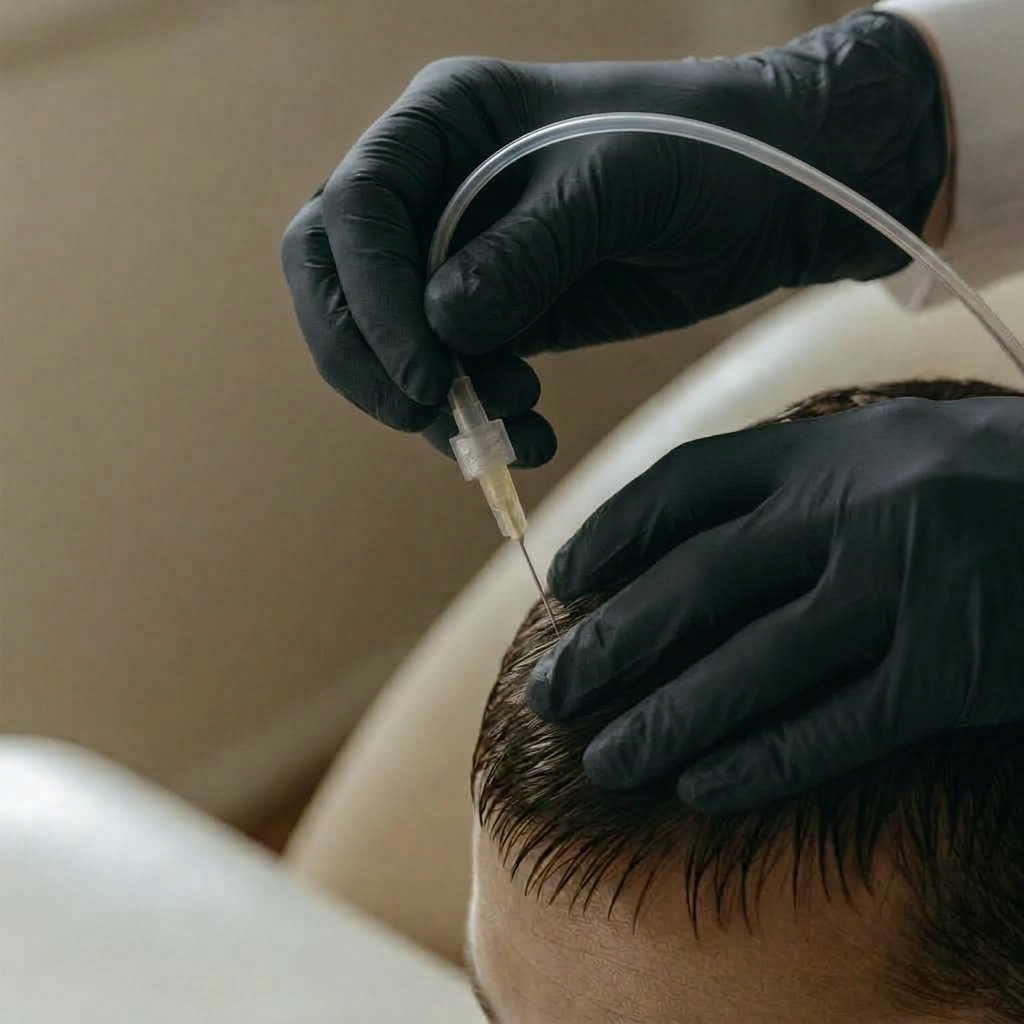
Using a medical device, CO₂ is delivered locally to the scalp area to be treated. The session is outpatient; a sensation of pressure or mild transient discomfort may occur. Treatment area, intensity and session rhythm are adapted to the clinical case.
Number of applications and intervals are set at initial assessment and reviewed according to tolerance and progression. As with other medical hair treatments, response is individual: the protocol is adjusted clinically rather than following an identical rigid schedule for every patient.
Treatment benefits
- Stimulation of microcirculation and scalp oxygenation in the treated area.
- Outpatient procedure, usually without prolonged recovery time.
- Integration into a medical hair plan with prior diagnosis and periodic follow-up.
- May be combined with mesotherapy, PRP or other therapies when clinically indicated.
Post-treatment recommendations
After capillary carboxytherapy, avoiding intense friction, excessive heat and direct sun on the scalp for the first hours is usually recommended. Progress is assessed at follow-up visits; changes in hair quality or shedding are usually gradual and require clinical consistency.
Essential guidelines
- Attend with a clean scalp and no occlusive products on treatment day.
- Report asthma, lung disease, pregnancy, breastfeeding or history of vasovagal reactions.
- Report regular medication, especially anticoagulants or relevant cardiovascular treatments.
- Keep to agreed intervals; clinical consistency matters more than excessive frequency.

Personalised care
Looking for treatment precautions?
View before and after precautions
Description
Capillary carboxytherapy is a medical procedure requiring individual assessment to confirm indication, contraindications and planning. The lists below outline usual preparation and aftercare.
Before treatment
- Full hair assessment: shedding pattern, scalp condition, medical history and medication.
- Report asthma, COPD, heart failure, severe vascular disease or history of syncope.
- Report pregnancy, breastfeeding or plans to conceive; treatment may not be indicated.
- Do not attend with active infection, open wounds, severe dermatitis or psoriasis flare without review.
- Avoid alcohol and very heavy meals on the same day if there is a history of dizziness or vasovagal episodes.
- Report anticoagulants or antiplatelet agents; they may increase risk of minor local bruising.
- Do not self-medicate or combine with other invasive scalp procedures on the same day without coordination.
- Plan the session allowing brief rest afterwards if discomfort occurred in previous sessions.
After treatment
- Avoid rubbing, scratching or firm massage of the scalp for the first 12–24 hours.
- Do not expose the area to intense sun, saunas, pools or very tight caps on the same day if sore.
- Postpone dyes, bleaching or aggressive chemical treatments until medically cleared.
- Avoid high-impact exercise or heavy sweating immediately if recommended by the doctor.
- Seek advice if persistent redness, disproportionate pain or signs of severe irritation occur.
- Do not autonomously combine with mesotherapy, PRP or other procedures without clinical planning.
- Maintain normal hydration and nutrition; report dizziness or prolonged pressure sensation.
- Attend scheduled reviews to assess tolerance, progression and whether to continue or space sessions.
Real results
Before and after
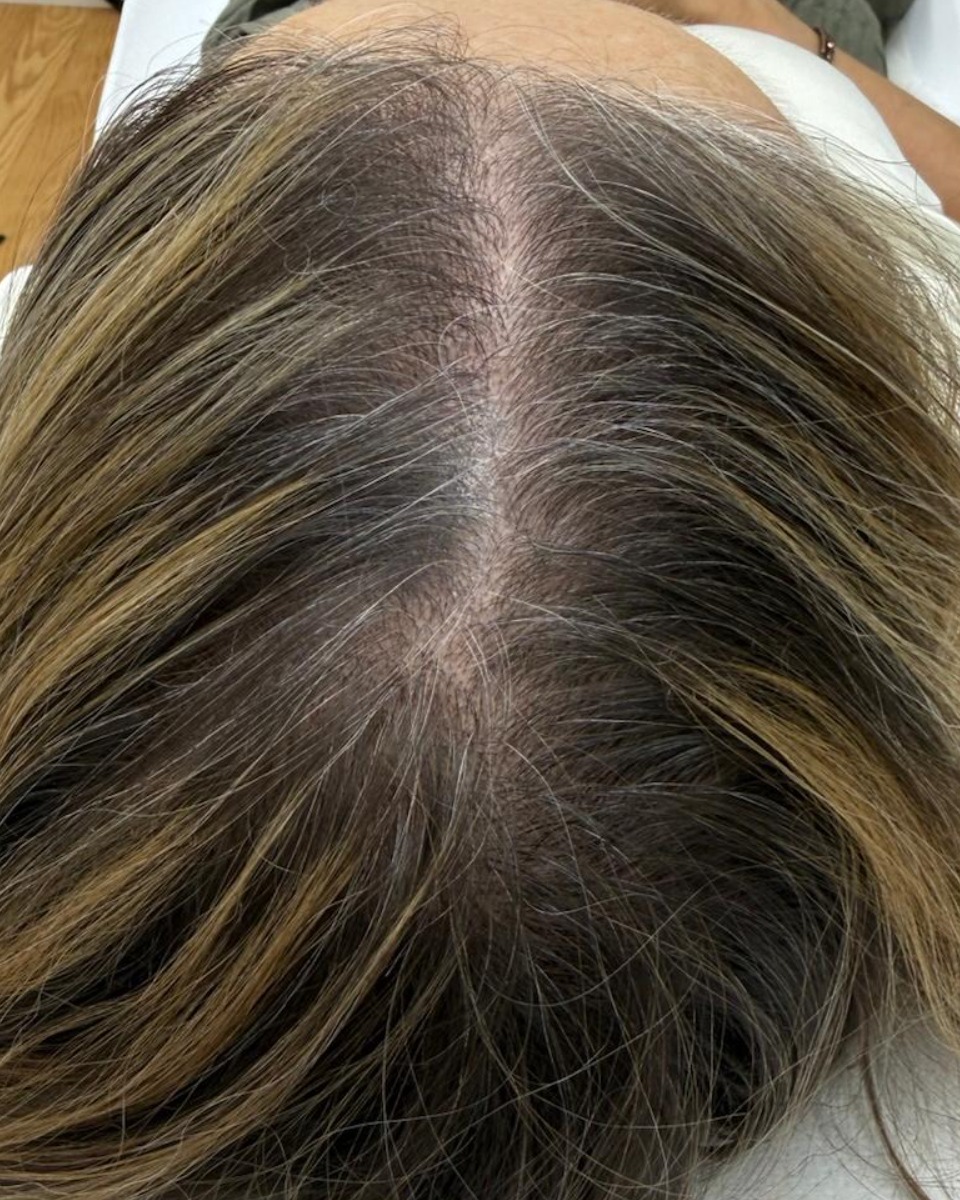
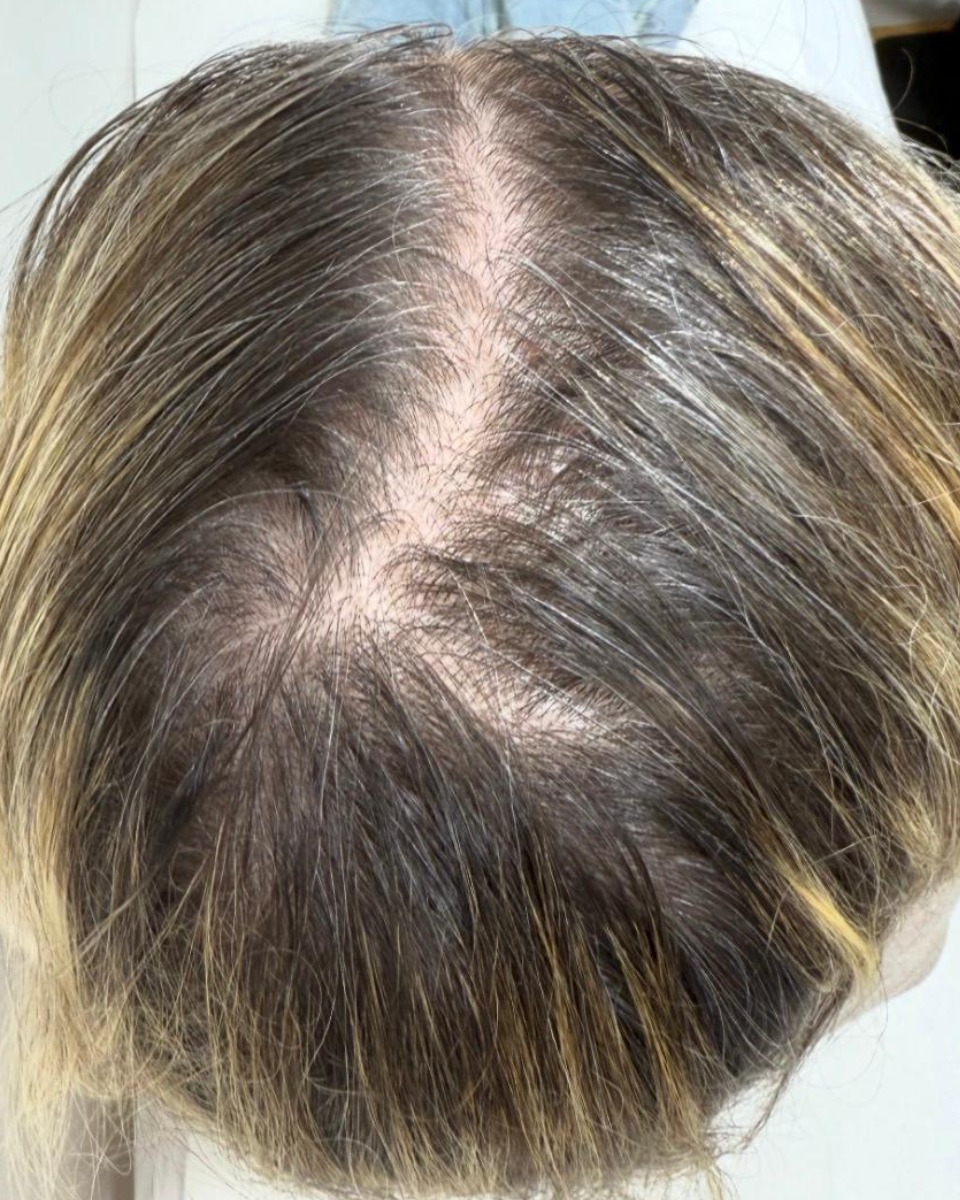
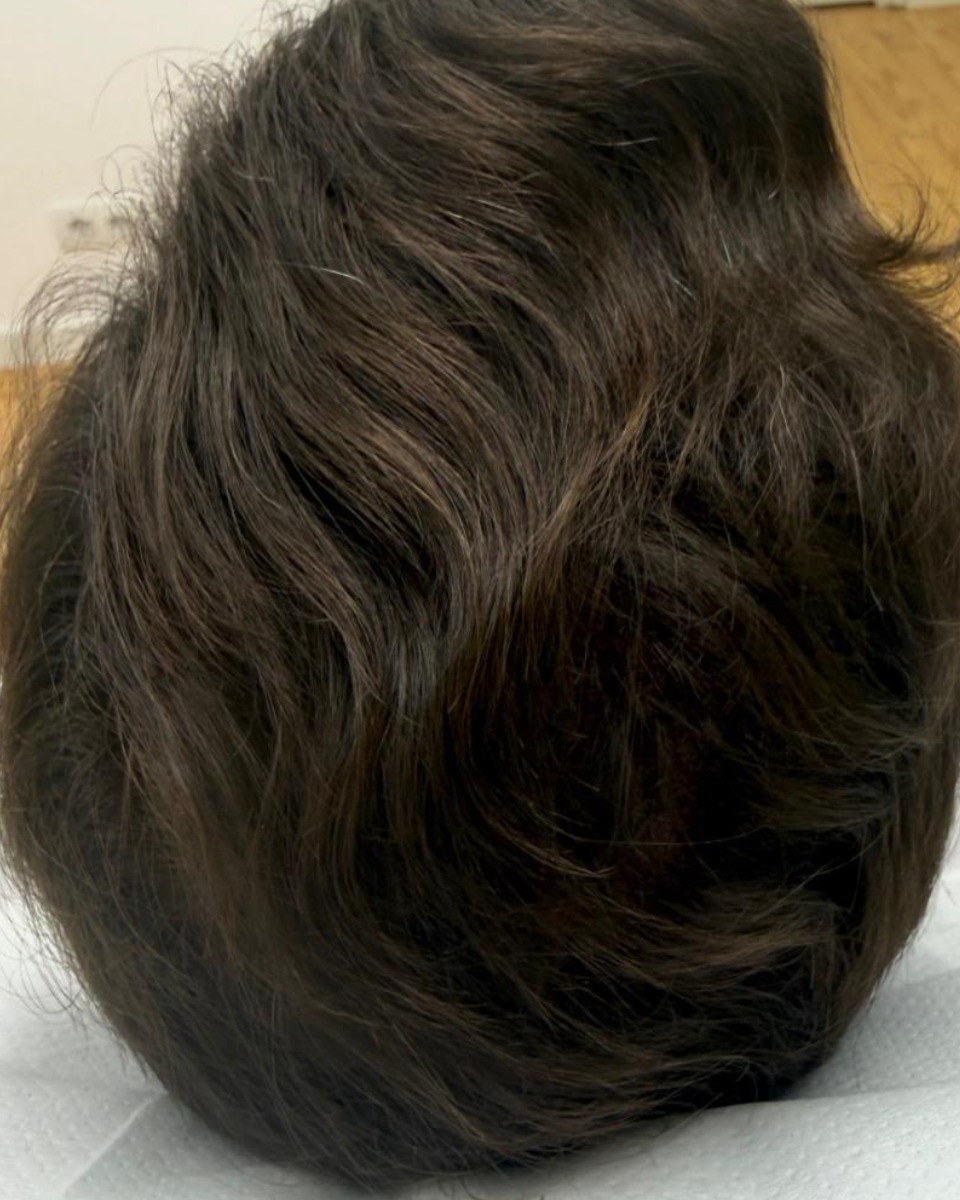
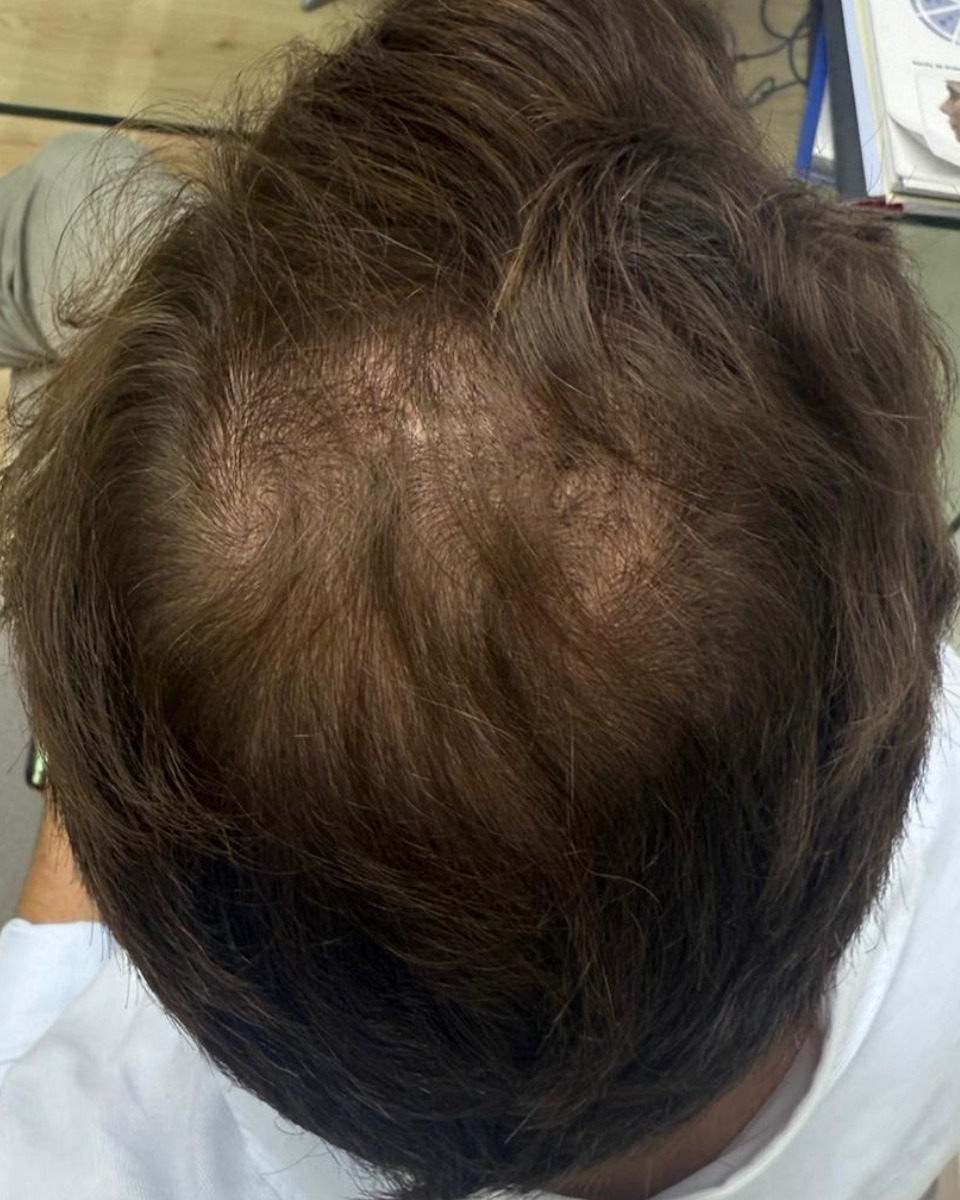
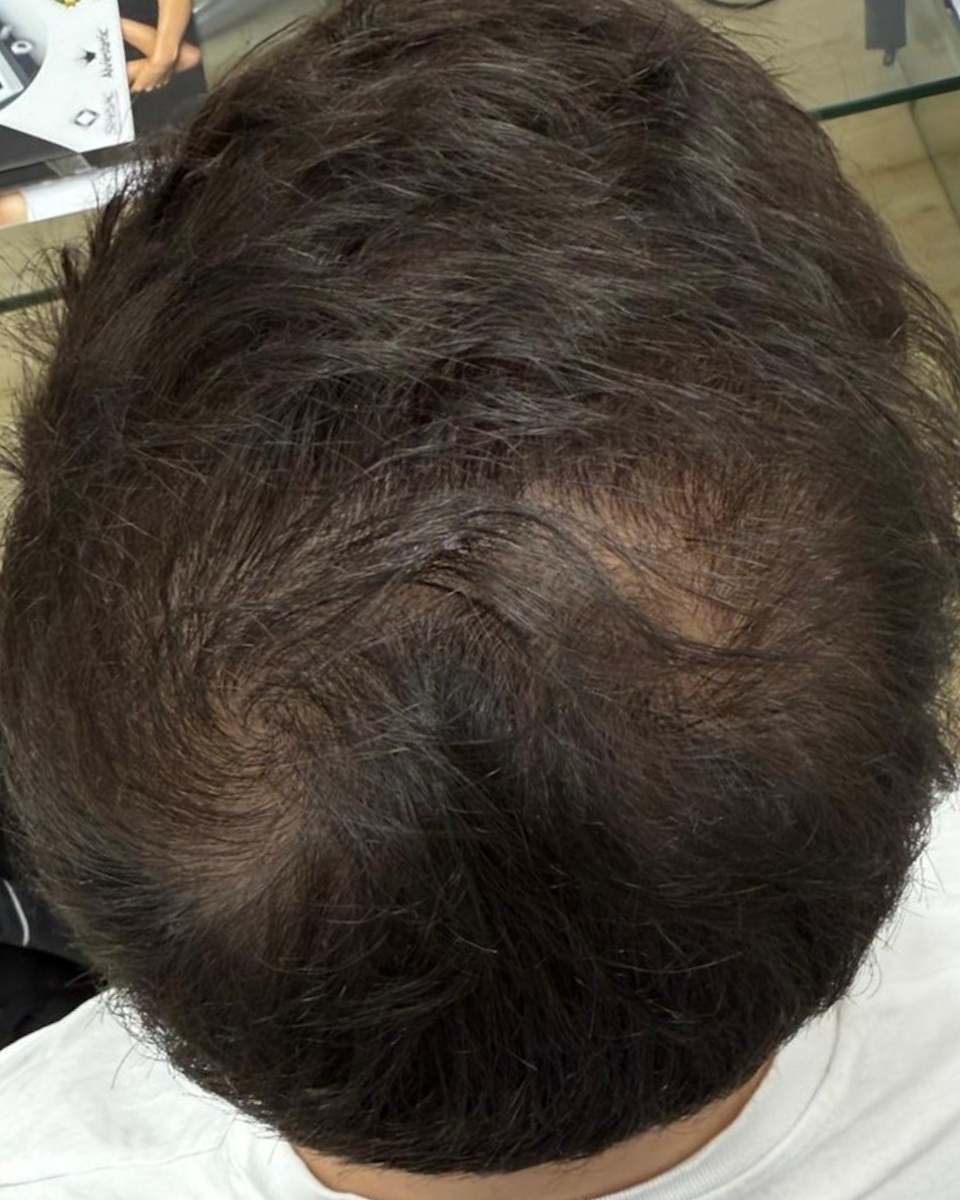
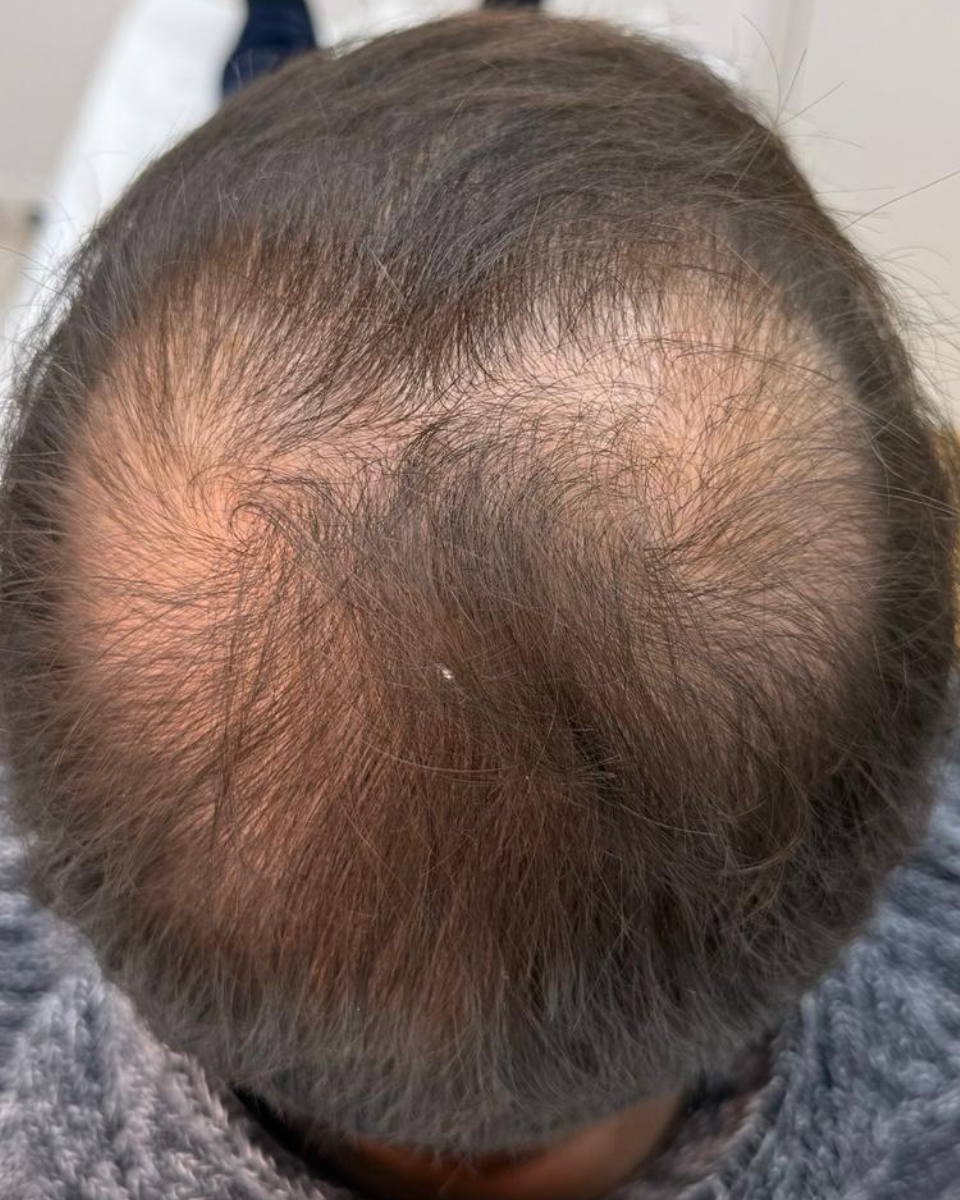
Drag to compare
Some results reflect combined capillary treatment protocols.
Help
Frequently asked questions
What sensations are normal during capillary carboxytherapy?
Local pressure, mild itching or transient discomfort during CO₂ application may occur. These sensations are usually brief. If intense or persistent, they should be discussed with the doctor.
How many capillary carboxytherapy sessions are needed?
It depends on diagnosis and individual response. After initial assessment a schedule is proposed and adjusted during clinical follow-up.
When are results noticeable?
Improved microcirculation does not always translate into immediate visible changes. Hair progression is usually assessed gradually over several sessions and medical reviews.
Can it be combined with mesotherapy or PRP?
In some cases yes, with medical sequencing and judgement. Combination depends on diagnosis; overlapping procedures without clinical planning is not advisable.
Who should not receive capillary carboxytherapy?
It may be contraindicated in pregnancy, certain decompensated respiratory or cardiovascular conditions, active scalp infections or unrealistic expectations. Prior assessment determines suitability.