

Hair transplant
About the treatment
What does the treatment involve?
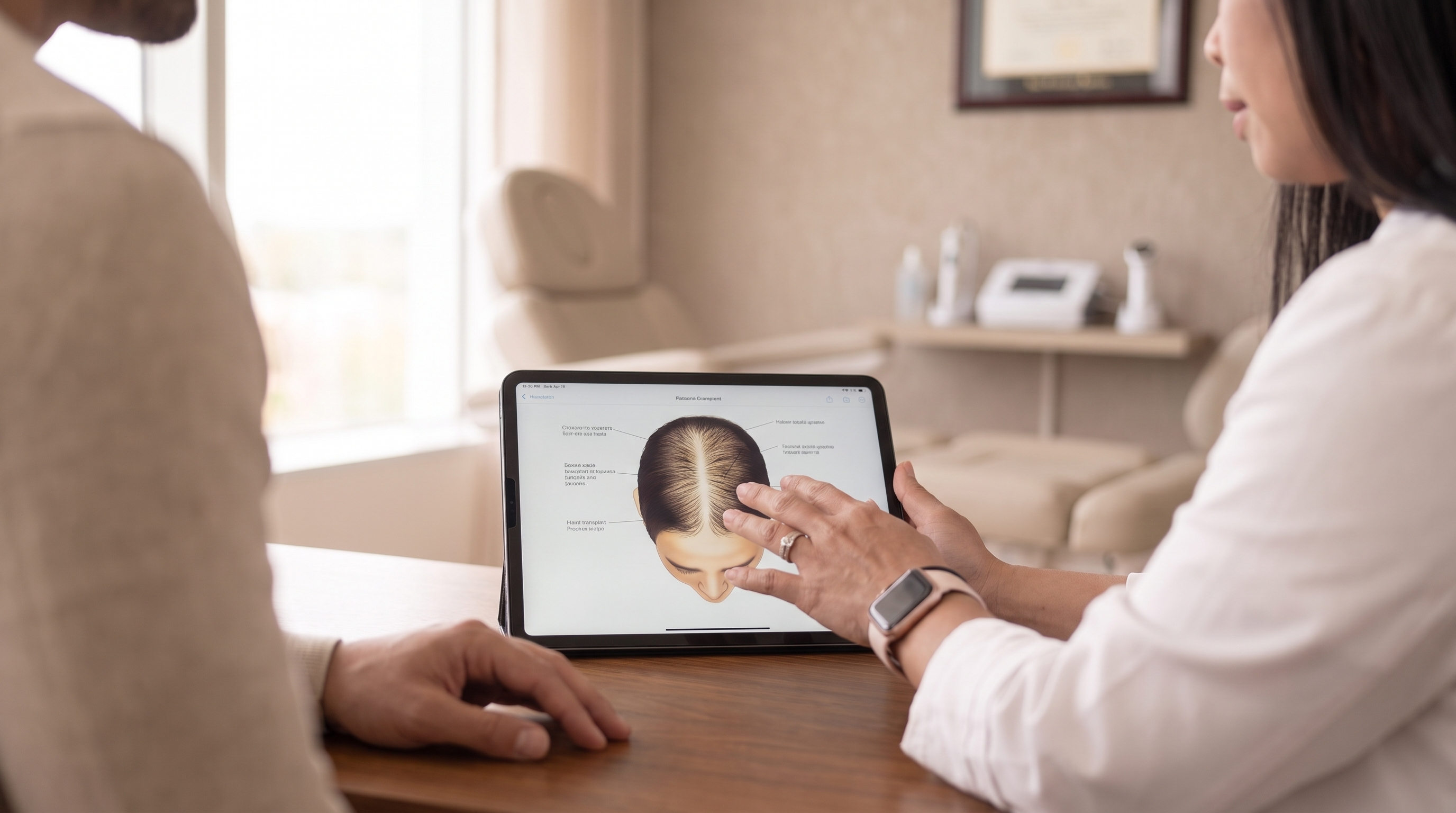
Hair transplant involves extracting hair follicles from a donor area and implanting them in areas with density loss, under medical judgement and prior planning. It is not indicated for every case: assessment of shedding pattern, donor reserve, scalp quality and realistic expectations about outcome is required.
Request assessment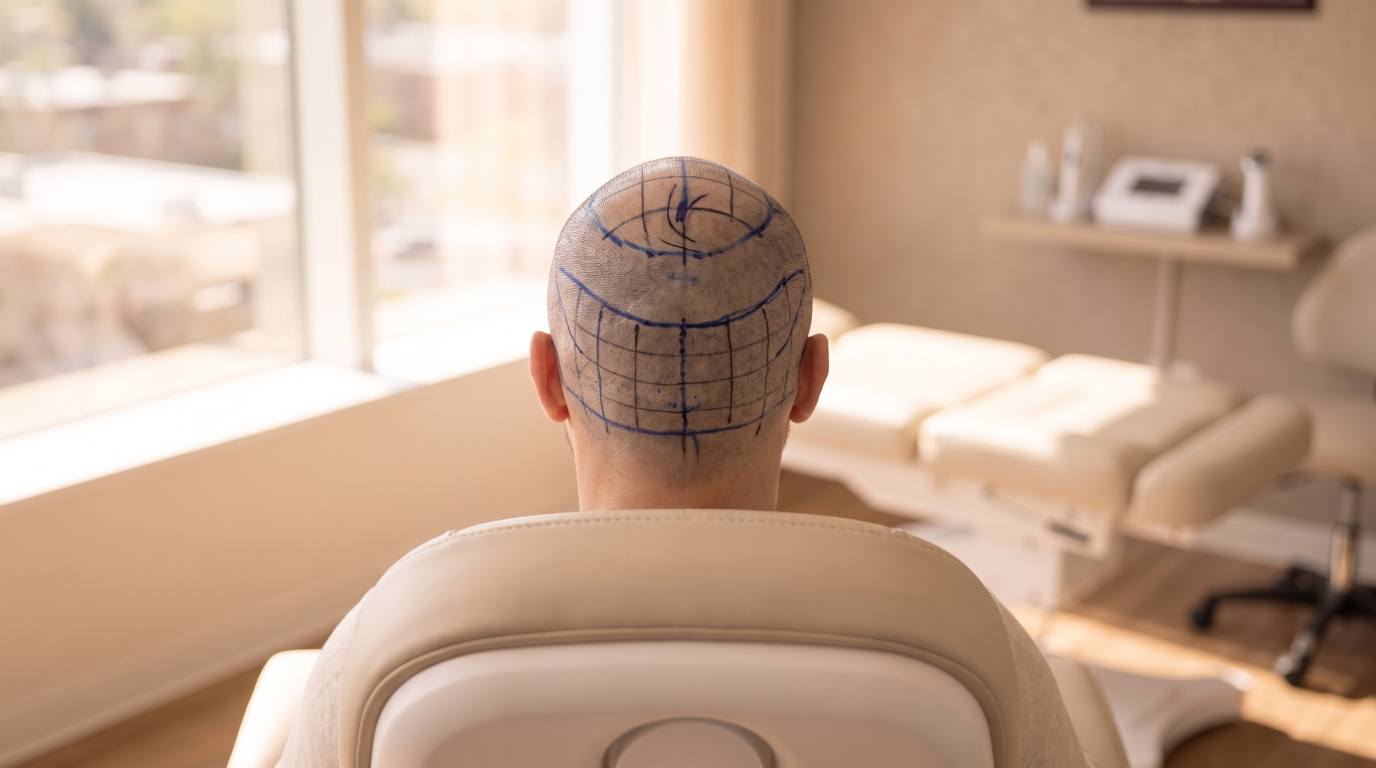
What is the treatment like?
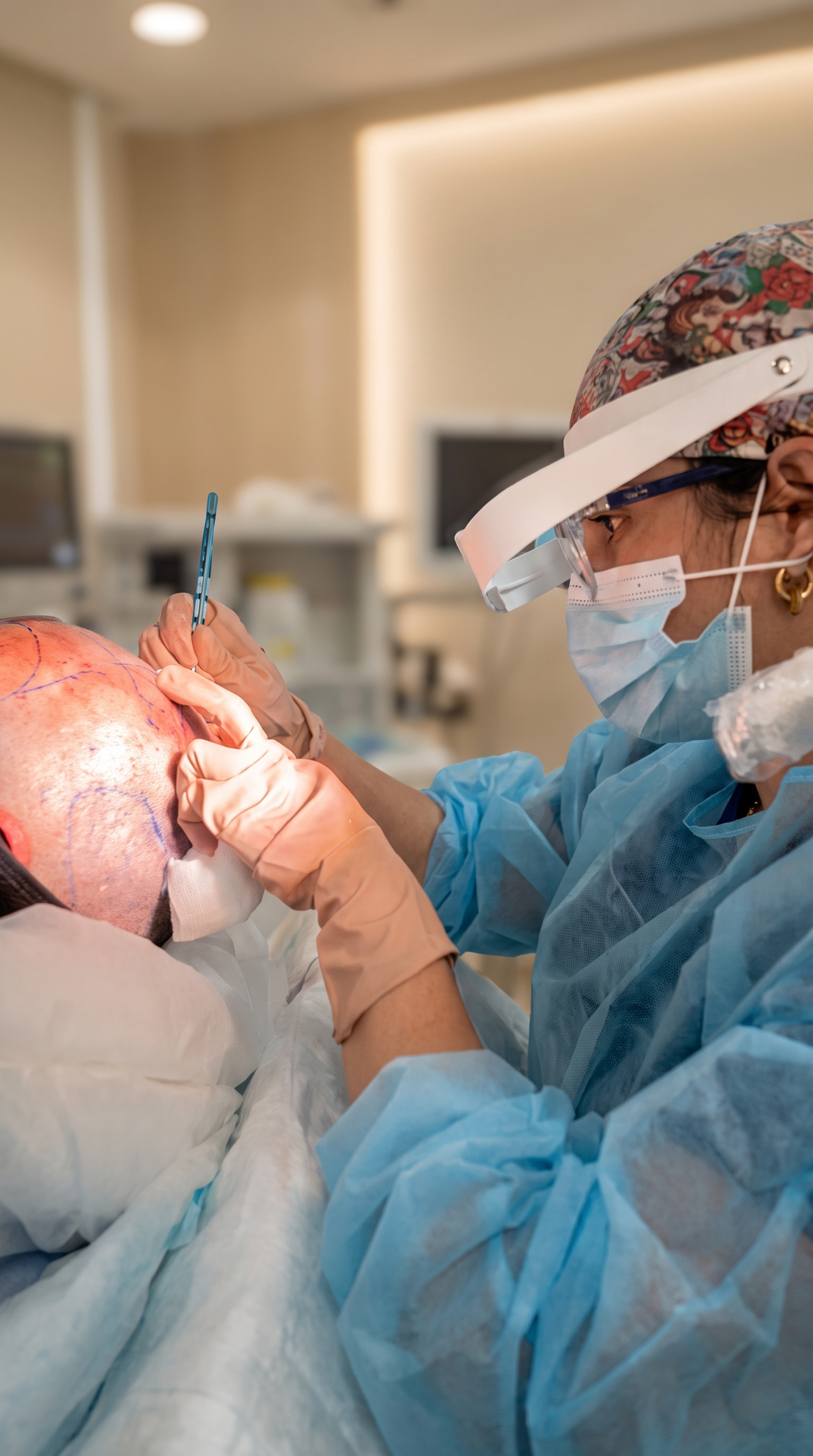
After assessment, the most appropriate technique is defined for each case (FUE or other clinically indicated modalities), donor zone, estimated follicular units and implant design. The procedure is performed in a medical setting with local anaesthesia and individualised surgical protocol.
Duration, procedure extent and recovery timeline depend on transplant scope and individual response. Transplanted hair growth is progressive: early months may include shock loss and final density is assessed long term, with scheduled medical reviews.
Treatment benefits
- Density restoration in selected areas using the patient's own follicles.
- Personalised hairline or recipient area design according to medical criteria and facial harmony.
- Prior planning with donor reserve assessment and realistic expectations.
- Postoperative follow-up to monitor healing, growth and medium-term progression.
Post-treatment recommendations
The postoperative period is key: it includes care of donor and recipient scalp, prescribed medication, activity restrictions and scheduled reviews. Visible growth of transplanted hair is usually gradual; your progress will be supported to address questions and adjust guidance according to the recovery phase.
Essential guidelines
- Attend all preoperative consultations with complete medical history and updated medication list.
- Strictly follow guidance on fasting, medication and preparation on procedure day.
- Plan rest and home support for the first postoperative days as medically advised.
- Report immediately any fever, persistent bleeding, severe pain or signs of infection.
Personalised care
Looking for treatment precautions?
View before and after precautions
Description
Hair transplant is a surgical procedure requiring thorough assessment, informed consent and rigorous compliance with pre and postoperative instructions. The lists below are for guidance only.
Before treatment
- Full hair assessment: shedding pattern, donor reserve, current density, expectations and contraindications.
- Report history of keloid scarring, clotting disorders, diabetes, immunosuppression or active infections.
- Report regular medication, anticoagulants, antiplatelet agents and supplements; temporary adjustment or suspension may be required.
- Do not smoke or consume alcohol during the indicated preoperative period; both affect healing and vascularisation.
- Review NSAIDs, aspirin and certain supplements per pre-surgical protocol (do not stop any prescribed medication on your own. If you are taking them, report this in advance so each case can be assessed individually).
- Do not self-medicate or start invasive hair treatments without coordination before surgery.
- Plan the procedure allowing sufficient postoperative rest and avoiding immediate work commitments or travel.
- Confirm understanding of growth timelines, possible shock loss and result limitations according to donor reserve.
After treatment
- Do not touch, scratch or rub donor and recipient areas; respect scabs and indicated gentle washing.
- Sleep in the recommended position for the first days to protect the implanted zone.
- Avoid intense exercise, heavy sweating, direct sun, pools, saunas and tight caps per medical schedule.
- Do not take unprescribed medication; follow antibiotics, analgesia or anti-inflammatories only if indicated.
- Postpone dyes, bleaching, mesotherapy, PRP or other hair procedures until medically cleared.
- Do not drive or perform activities requiring concentration if postoperative medication advises against it.
- Attend all scheduled reviews: stitch removal, scar monitoring and growth follow-up.
- Seek immediate advice if discharge, fever, progressive swelling or block loss of implants occurs.
Real results
Before and after
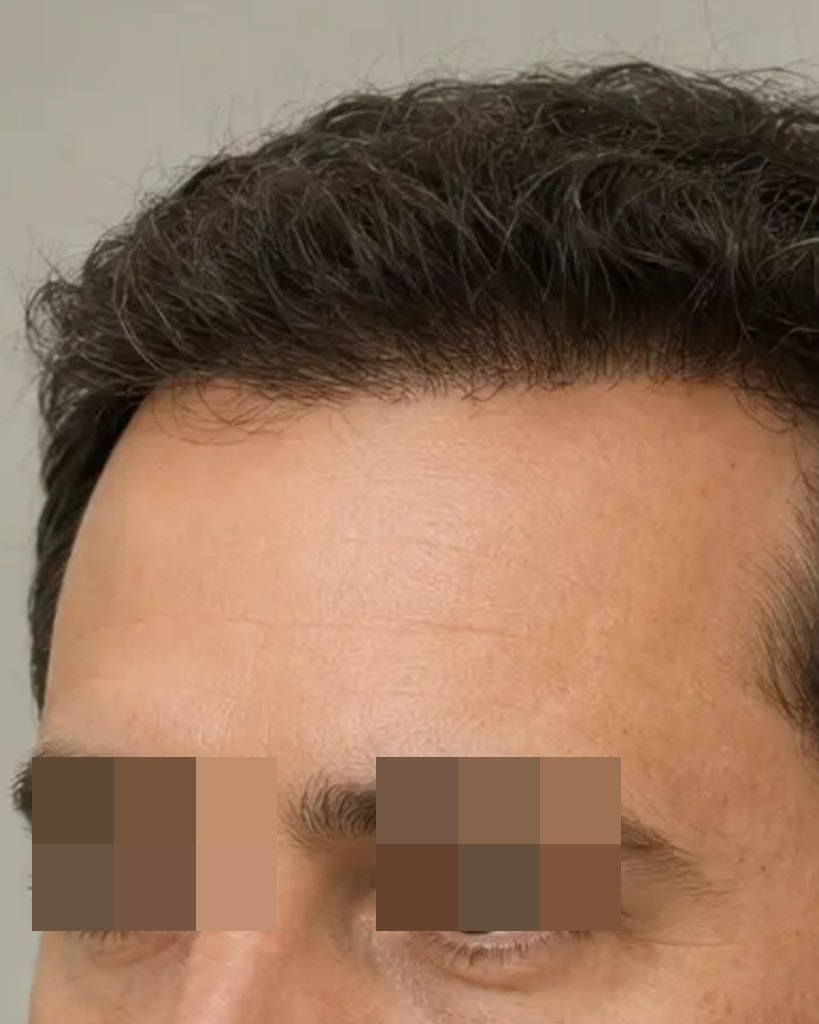
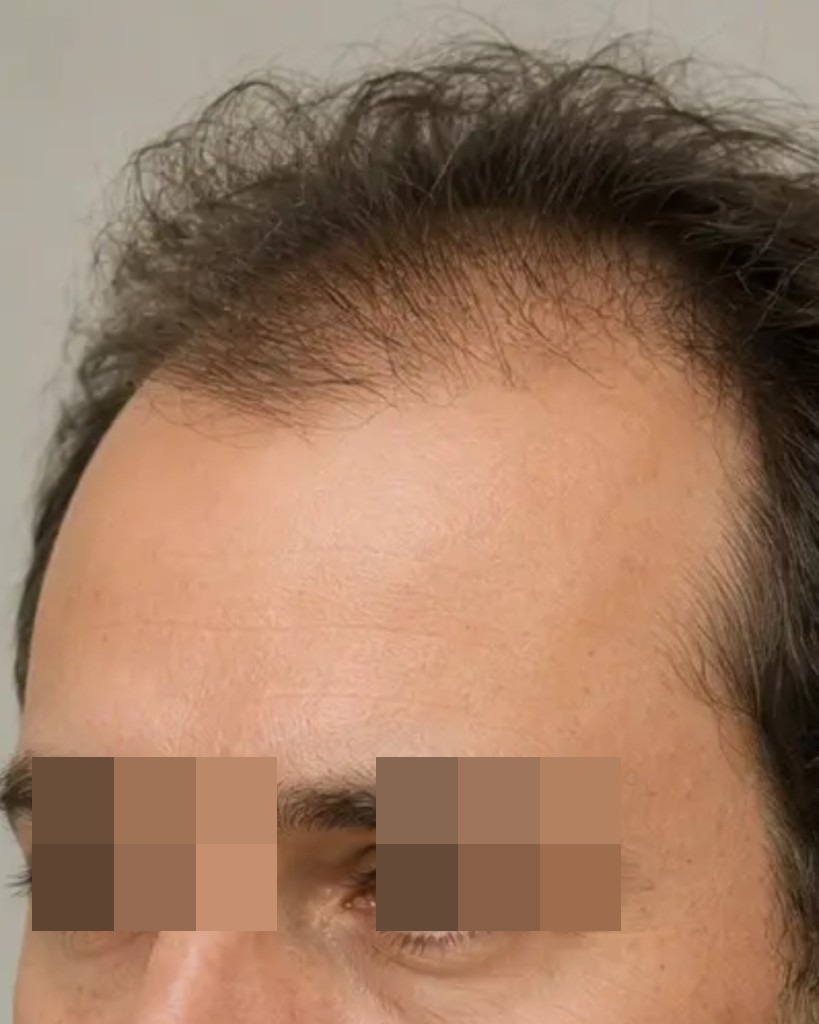
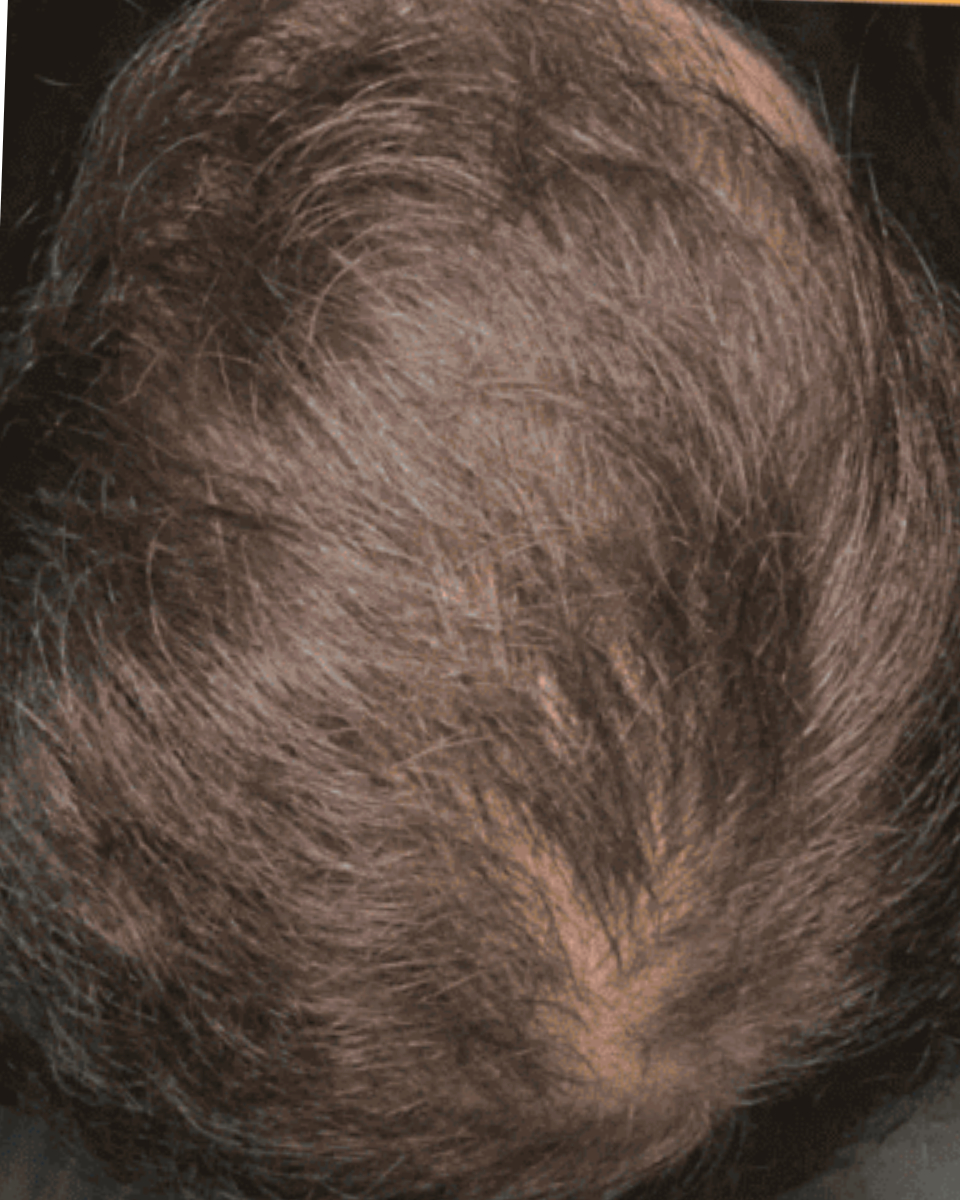
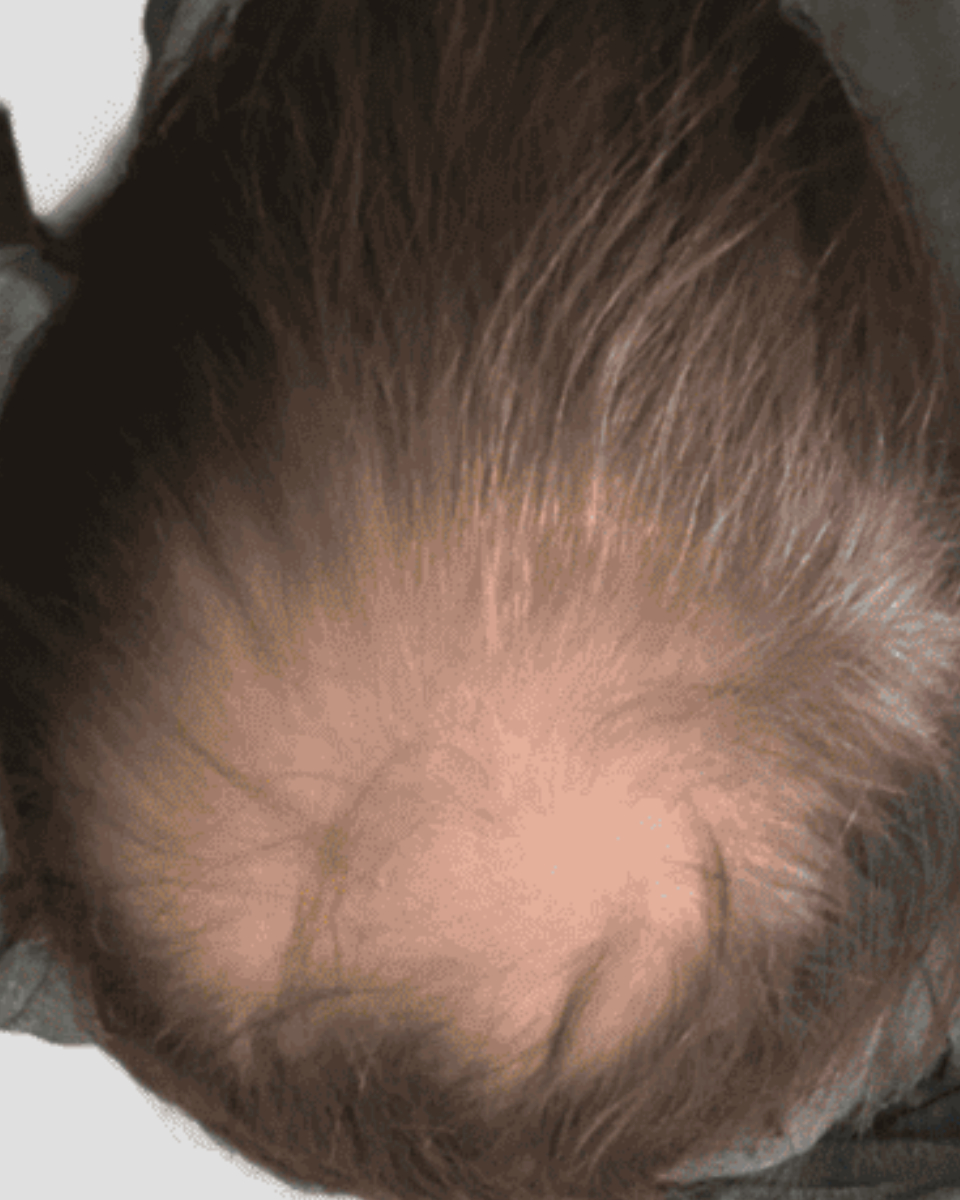
Drag to compare
Help
Frequently asked questions
When is someone a candidate for hair transplant?
When assessment confirms stable or predictable shedding pattern, adequate donor reserve, viable recipient scalp and expectations aligned with what is clinically achievable. Not all cases qualify after consultation.
When is the final transplant result visible?
Growth is progressive. Initial shock loss may occur; visible density improves over months and final assessment usually requires 12–18 months depending on the case.
Does hair transplant hurt?
It is performed under local anaesthesia. Discomfort during and after the procedure may occur, managed with indicated medication. Sensitivity varies by extent and individual tolerance.
Does the donor area leave a scar?
It depends on technique and case. FUE leaves micro point scars; extent and visibility depend on hairstyle, scarring quality and preoperative planning.
Can transplant be combined with mesotherapy or PRP?
I am in favour of medical treatment before and after transplant to improve the outcome. Each case is subject to individual assessment.